Service 04 / 14

Engineering & Construction Project Development

Development of engineering projects from the first idea to a facility in service: visualization, conceptual, basic and detail engineering, followed by procurement, construction, and start-up and commissioning. A service associated with the optimization of surface infrastructure.

Engineer in a hard hat reviewing a drawing on site
  • 4engineering phases
  • 3execution stages: procurement, construction, and start-up and commissioning
  • 6types of surface infrastructure
  • 4artificial lift methods

The service

Development of engineering projects for oil and gas operations, from the first idea to a facility in service. The work covers the engineering phases (visualization, conceptual, basic and detail) and continues with procurement, construction, and start-up and commissioning: the complete EPC cycle (engineering, procurement and construction).

The service is associated with the optimization of surface infrastructure: the facilities that receive, separate, treat, compress and store what the wells produce.
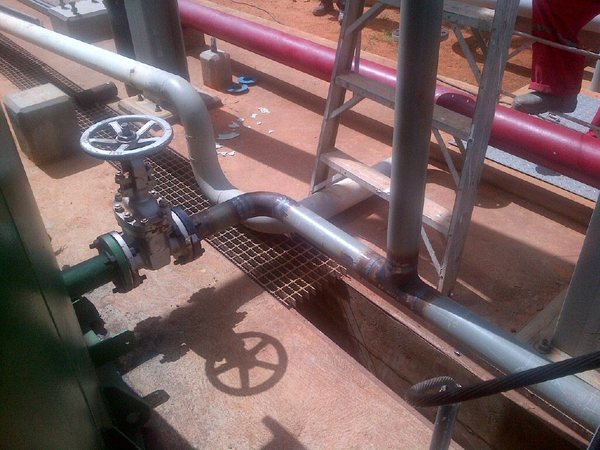
Piping with valves and supports, fabricated and installed by Tanzaca at the Pigap II thermoelectric plant, El Tejero.
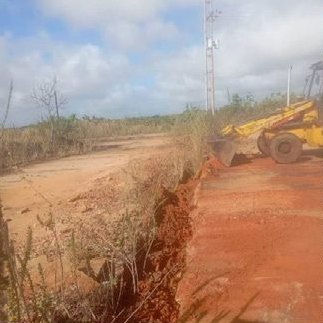
Trench for pipeline works, Campo Melones, Orinoco Oil Belt (Tanzaca project).

Engineering phases

  1. Visualization

    The opportunity or the problem is identified, the objectives are set and the possible options are outlined, with an order-of-magnitude estimate of cost and time.

  2. Conceptual engineering

    The options are compared and one is selected.

    • Design basis
    • Block diagrams and preliminary process flow diagrams
    • Preliminary layout and equipment list
    • Preliminary cost estimate
  3. Basic engineering

    The selected option is defined in enough detail to approve the investment.

    • Process flow diagrams (PFD) and piping and instrumentation diagrams (P&ID)
    • Data sheets and specifications of equipment
    • Plot plan and single-line diagrams
    • Control philosophy and risk analysis (HAZOP)
  4. Detail engineering

    Everything that is needed to buy and to build.

    • Construction drawings for each discipline
    • Piping isometrics and material take-offs
    • Purchase requisitions
    • Construction and testing procedures

Procurement, construction, start-up and commissioning

Procurement

  • Technical requisitions and evaluation of offers
  • Purchase and follow-up of equipment and materials
  • Inspection at the manufacturer and on receipt
  • Transport and storage on site

Construction

  • Civil works and foundations
  • Mechanical erection and piping
  • Electrical and instrumentation works
  • Quality control, testing and safety during the works

Start-up and commissioning

  • Mechanical completion and list of pending items
  • Pre-commissioning: line cleaning, pressure tests and loop checks
  • Commissioning: functional tests of each system
  • Start-up, performance test and handover to operations

Surface infrastructure

The projects are associated with the optimization of the surface infrastructure of oil and gas fields:

Well locations and well pads

Construction of the location for one well or of the pad for a cluster of wells.

Flow lines

Laying of the lines that carry production from each well to the station.

Flow stations

Facilities that receive the production, separate gas from liquids, measure and pump the crude.

Compression stations

Plants that raise the pressure of the gas for its transport, injection or use in gas lift.

Water handling plants

Treatment, storage and disposal or injection of the water produced with the crude.

Storage tanks

Tanks for crude, water and other fluids, with their piping.

See Well Location Construction & Rehabilitation

See Flow Line Laying

See Major Maintenance of Storage Tanks

See Fabrication & Welding Works

Artificial lift systems

When the pressure of the reservoir is not enough to lift the fluids to surface, the well needs artificial lift. The projects include the artificial lift system and everything it needs at surface: the method is chosen for each well and the facilities are designed around it, because it defines the power, the gas and the equipment that must reach each location.

Rod pumping

A pumping unit at surface moves a rod string that drives a pump at the bottom of the well.

Progressing cavity pumping

A rotor turns inside a stator; it handles viscous crudes and sand well.

Electric submersible pumping

A multistage centrifugal pump with a downhole electric motor, for high flow rates.

Gas lift

Gas injected into the tubing lightens the column of fluid so that the well can flow.

What the project defines

  • Selection of the method for each well, according to depth, flow rate, viscosity of the crude, and the gas and sand it produces
  • Surface equipment: pumping units, drive heads, variable speed drives and control panels
  • Power supply to each location: lines, transformers and protections
  • For gas lift: compression, the high-pressure distribution network and the injection manifolds
  • Monitoring of each well: pressure, temperature, load and electrical variables
  • Procurement, installation, start-up and commissioning of the system

See workover: repair and replacement of the lift system

See procurement of electric submersible pumps and equipment

What optimizing surface infrastructure means

  • Identify and remove the bottlenecks of the production network
  • Adjust the capacity of the facilities to the current production of the field
  • Replace or rehabilitate obsolete or deteriorated equipment
  • Improve the measurement of fluids
  • Reduce operating and maintenance costs
  • Raise the level of safety and environmental protection

See Processes, production and facilities

Engineering and consulting capabilities

The projects draw on the engineering and consulting capabilities of Tanzaca Energy:

  • Conceptual and basic engineering
  • Treatment and conditioning of crude, water and gas
  • Design of process equipment: heat exchangers, electrostatic separators, desalters and heaters
  • Plant reliability and availability studies, and HAZOP
  • Automation: advanced control, automatic start-up and shutdown, fire and gas systems
  • Economic studies: feasibility and financial risk

Reference standards

Reference standards commonly applied in the sector. They are listed for orientation and do not replace the specification of each project.

ASME B31.3
Process piping.
ASME B31.4 / B31.8
Pipeline transportation systems for liquids, and gas transmission and distribution piping.
API 650
Welded tanks for oil storage.
API Spec 12J
Oil and gas separators.
API Spec 11E
Pumping units.
API RP 11S
Operation, maintenance and troubleshooting of electric submersible pump installations.
ISA-5.1
Instrumentation symbols and identification.
IEC 61882
Hazard and operability studies (HAZOP): application guide.

Request a quote

Need this service for your operation?

Tell us what you need and our technical team will prepare a proposal for you.