
Sensor
Detects the process variable: pressure, temperature, level or flow.
Service 08 / 14
Installation and configuration of measurement and control instruments, and automation of industrial processes, with precise measurement, automated process control, better operational efficiency and real-time monitoring.

Installation and configuration of measurement and control instruments for industrial processes. Procurement, supply, installation and programming of instrumentation are also part of the electrical services and instrumentation portfolio.
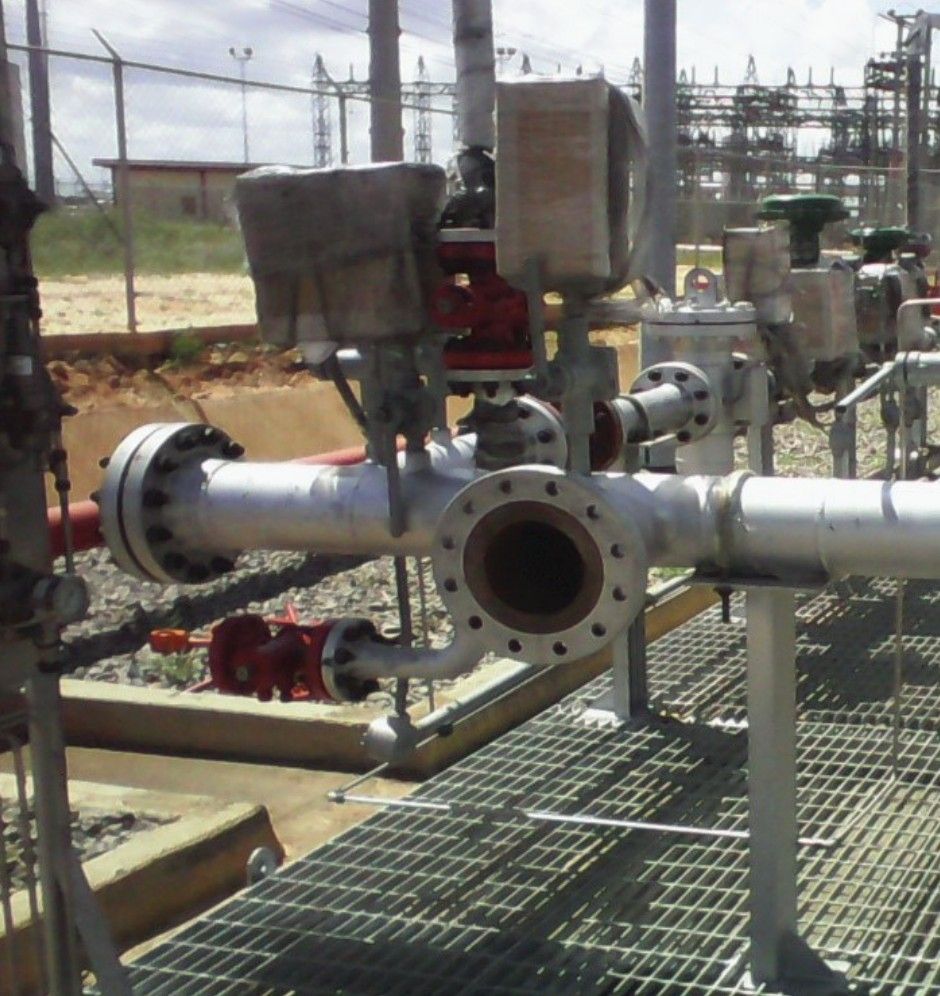
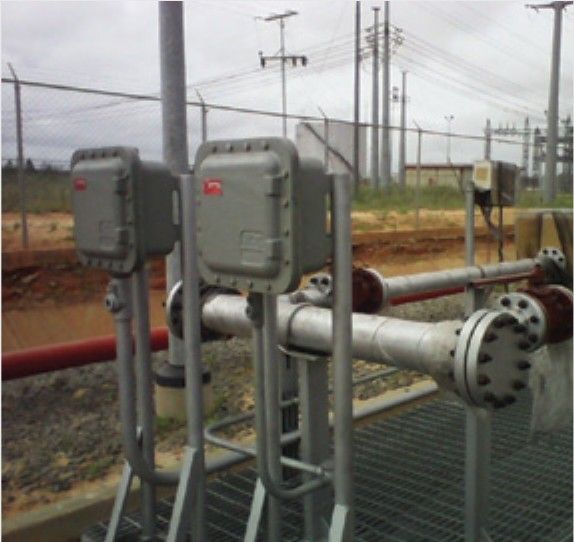
Pressure, temperature, level, flow and other physical or chemical variables, with sensors, transmitters and controllers that feed automation systems such as PLC and SCADA (common protocols: Modbus, Profibus and Ethernet/IP).
Detects the process variable: pressure, temperature, level or flow.
Converts the measurement into a standard signal (such as 4–20 mA, HART or a digital bus) and sends it to the control system.
Compares the value with the setpoint and decides how to act.
A control valve, pump or drive that acts on the process to correct the deviation.
Thermocouples and RTDs.
Pressure gauges, transducers and differential pressure sensors.
Float, ultrasonic and radar.
Electromagnetic, turbine and differential pressure.
Instruments measure; automation decides and acts. On top of the instrumentation, the automation systems run the process without constant intervention of the operator and take it to a safe state when something goes out of range.
Programmable controllers and distributed control systems that run the control loops and the sequences of the plant.
Screens, alarms, trends and historical records for the operator, on site or remotely.
Independent system that shuts the process down when a variable reaches a dangerous value.
Detection of flame, smoke and gas, with alarms and automatic actions.
Training, with preventive and corrective maintenance.
The installation covers everything between the process and the control room:
Before an instrument is accepted, it is calibrated against a reference of higher accuracy and the result is recorded. Then the whole loop is verified.
Instruments drift over time and must be kept in check:
Telemetry and SCADA monitoring provide real-time supervision of wells and equipment, reduce response time to failures and improve safety by detecting overpressure, overtemperature or leaks and triggering alarms.
Reference standards commonly applied in the sector. They are listed for orientation and do not replace the specification of each project.
Request a quote
Tell us what you need and our technical team will prepare a proposal for you.